
Osiligi-lai Maasai Lodge
View film externallyOverview
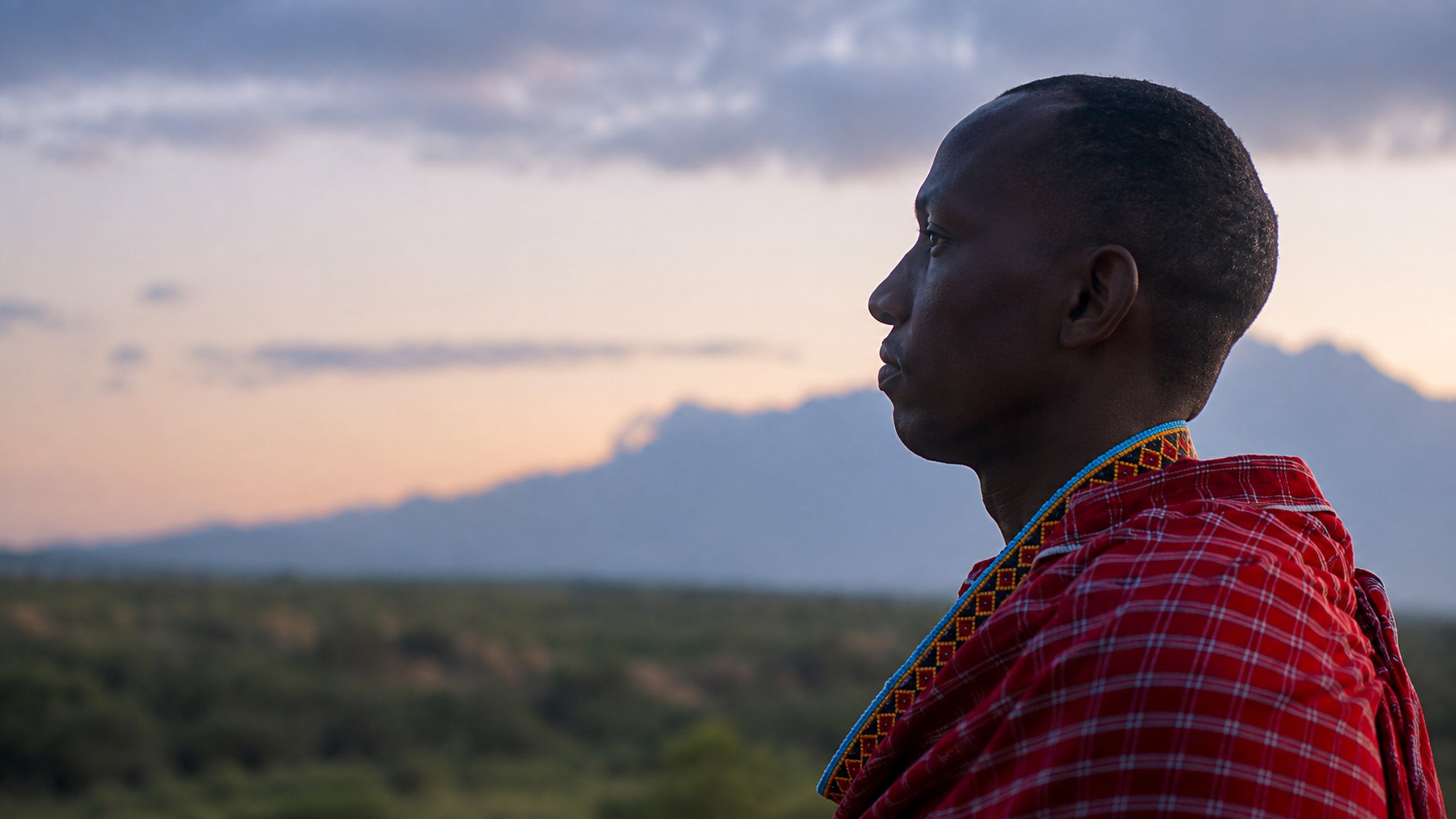
At Osiligi-lai Maasai Lodge, the landscape is more than a backdrop - it is part of the experience. Set beneath the mountains of northern Tanzania, the lodge is shaped by Maasai culture, open skies, firelight, silence, and the rhythm of the land. This brand film moves beyond the familiar language of safari promotion to capture something closer to memory: fragments of a journey, small human moments, textures, movement, and the feeling of being somewhere that remains with you long after you leave.
Project details
Objective
To create a cinematic brand film that expresses Osiligi-lai Maasai Lodge as a lived experience rather than simply a destination. The goal was to move beyond conventional safari imagery and communicate the lodge through atmosphere, culture, landscape, and the quiet moments that give a journey its emotional weight.
What We've Done
- Creative Concept Development
Built the film around the idea of memory - favoring fragments, sensations, and human moments over a traditional itinerary-led presentation. - Landscape-Led Storytelling
Treated the mountains, open skies, and northern Tanzanian landscape as an active part of the story rather than a decorative backdrop. - Culture and Human Presence
Centered the rhythms of Maasai culture and the small gestures of lodge life, allowing a sense of place to emerge through people as much as scenery. - Sensory Visual Language
Focused on texture, movement, firelight, silence, and natural transitions to create an experience that feels intimate and remembered. - Rhythm and Emotional Pacing
Shaped the film around moments of observation and feeling, giving each image enough space to register before becoming part of the larger journey.
Creative treatment
Creative Process
- Finding the Emotional Center: The process began with a simple idea: Osiligi-lai should be felt before it is explained. That principle guided the film's tone and structure.
- Observing Place: Attention was given to the landscape, changing light, human movement, and the quiet details that reveal the character of the lodge.
- Building Through Fragments: Rather than presenting a checklist of attractions, the film brings together brief impressions - open sky, firelight, texture, silence, and connection - to resemble the way a journey is remembered.
- Editorial Restraint: The final sequence was shaped to remain spacious and immersive, allowing atmosphere and natural rhythm to carry the story.
Results
The finished film presents Osiligi-lai Maasai Lodge as more than a place to stay. It creates an emotional portrait of a landscape, a culture, and a way of moving through northern Tanzania - giving the lodge a distinctive brand story grounded in presence rather than spectacle.
Conclusion
By looking beyond the conventions of safari filmmaking, we created a film that holds onto the details that remain after a journey ends. Osiligi-lai emerges not as a collection of views, but as a memory shaped by land, people, firelight, silence, and the feeling of having truly been somewhere.
Objective
Approach
Results
Credits
Have a story to make?
Let’s make it carry weight.
Tell us what you’re building, who it needs to reach, and where it needs to live.